Know the Facts about Fats
- nuti4all
- Jul 3, 2023
- 2 min read
Updated: Jul 4, 2023
There are misconceptions about following a very low-fat diet, which should be dispelled and replaced with the importance of consuming healthy fats. Our bodies need adequate amounts of good dietary fat to build cell membranes and hormones, as well as provide essential vitamins A, D, E, and K.


Low fat? No fat? Try more fat. Dietary fats are essential for maintaining good overall health, especially as you age. "Your body needs a regular intake of fat," says Vasanti Malik, a research scientist with the Department of Nutrition at Harvard's T.H. Chan School of Public Health. "Fat helps give your body energy, protects your organs, supports cell growth, keeps cholesterol and blood pressure under control, and helps your body absorb vital nutrients. When you focus too much on cutting out all fat, you can actually deprive your body of what it needs most."
Two types of fats
To understand the role fats play in a healthy diet, you have to look closer at the two types of dietary fats: saturated and unsaturated.
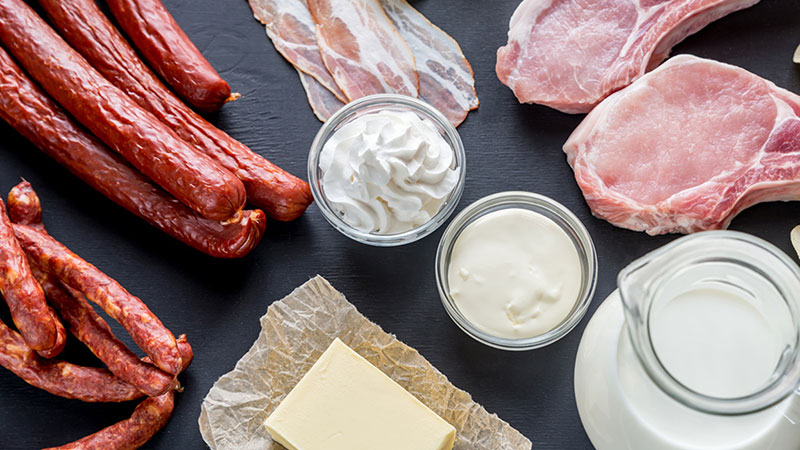
Saturated. This is the so-called "bad" fat. It's primarily found in animal products like beef, pork, and high-fat dairy foods, like butter, margarine, cream, and cheese. High amounts of saturated fat also are found in many fast, processed, and baked foods like pizza, desserts, hamburgers, and cookies and pastries. These fats tend to more "solid" (think butter or lard) than healthier fats.
Unsaturated. This is the healthy kind, and there are two types: monounsaturated and polyunsaturated.
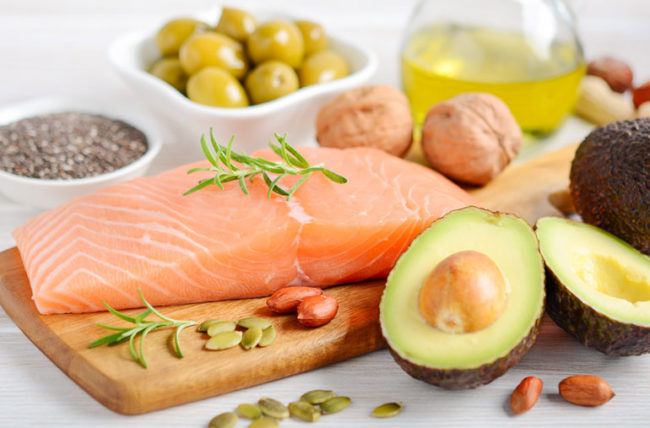
Monounsaturated fats are found in avocados and peanut butter; nuts like almonds, hazelnuts, cashews, and pecans; and seeds, such as pumpkin, sesame, and sunflower seeds. It is also in plant oils, such as olive, peanut, safflower, sesame, and canola oils.
Polyunsaturated fats include omega-3 fatty acids and omega-6 fatty acids. Polyunsaturated fats are found in plant-based oils like soybean, corn, and safflower oils, and they're abundant in walnuts, flaxseeds, sunflower seeds, and fish like salmon, mackerel, herring, tuna, and trout.
The main health issue with dietary fats is how they influence cholesterol levels. Consuming high amounts of saturated fat produces more LDL (bad) cholesterol, which can form plaque in the arteries and increase your risk of cardiovascular disease and stroke.
In comparison, the unsaturated fats help to raise HDL (good) cholesterol levels. HDL picks up excess LDL in the blood and moves it to the liver, where it is broken down and discarded. You want to have a high HDL-to-LDL ratio, and unsaturated fats can help with this.
Focus on quality

How much dietary fat should you eat each day? The most recent Dietary Guidelines for Americans have moved away from suggesting a specific amount of fat. However, they still emphasize keeping saturated fat intake to less than 10% of daily total calories.
It's much easier to focus on quality and not quantity. Add more foods with mono and polyunsaturated fats to your diet, and stay clear of those with saturated fats. A simple strategy is to add some healthy fat to every meal. Since both kinds of unsaturated fats are healthy, don't worry about getting equal amounts of each.
For example, spread avocado on toast, make a nut butter sandwich for lunch, and add a handful of nuts as an afternoon snack. Buy an oil brush and apply olive oil to chicken breasts and vegetables.


Comments